
Benefits of Testing Based on User Use Cases
- NxtGen QA

- Oct 3, 2024
- 2 min read
Testing based on user use cases focuses on validating how users interact with the system through real-world scenarios. This approach is essential for ensuring that the software fulfills users' expectations and delivers a seamless experience.
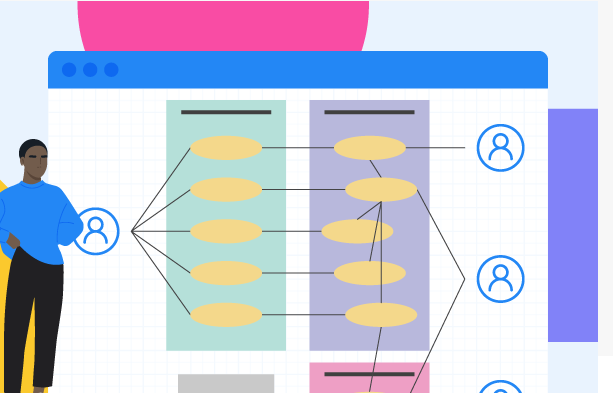
1. Realistic Test Scenarios
Unlike traditional testing, which may rely on theoretical inputs, use case testing mimics actual user behavior. For example, if the software is an e-commerce application, use cases could include actions like browsing products, adding items to a cart, or completing a purchase. Testing each of these scenarios allows testers to verify the system’s ability to handle real-world user demands.
2. User-Centered Focus
Use case testing ensures that the software caters to the needs and workflows of its end users. Since the tests are aligned with how users will engage with the system, potential gaps in user experience are quickly identified. This prevents usability issues from making it into production, where they could lead to negative user feedback or increased support tickets.
3. Comprehensive Coverage of System Functionality
Testing based on use cases ensures that even complex workflows, involving multiple steps and conditions, are adequately validated. For example, in a multi-step checkout process, you would test for valid and invalid payments, discounts, and shipping methods. These scenarios help to cover a wide range of system interactions, ensuring that every aspect of the user journey is thoroughly examined.
4. Early Detection of Gaps in Requirements
When designing use cases, testers and stakeholders must think about how the system will be used, often uncovering gaps in the initial requirements. This practice helps in identifying missing functionalities or potential flaws early in the development process, preventing costly revisions later.
5. Support for Agile and Iterative Testing
Use case testing is highly compatible with agile methodologies, where testing happens continuously as new features are added. As user stories evolve, testers can quickly adapt use cases to test new functionality while ensuring that previous user paths are still working.
Conclusion
Testing based on user use cases allows for a more comprehensive evaluation of the system, focusing on the user's perspective. This method not only identifies technical issues but also ensures that the software meets user expectations, contributing to higher satisfaction rates and a more user-friendly product.


Comments